Supplement Brands Product Sampling Partnership Guide: Building Trust Through Strategic Distribution
October 06, 2026 · 8 min read
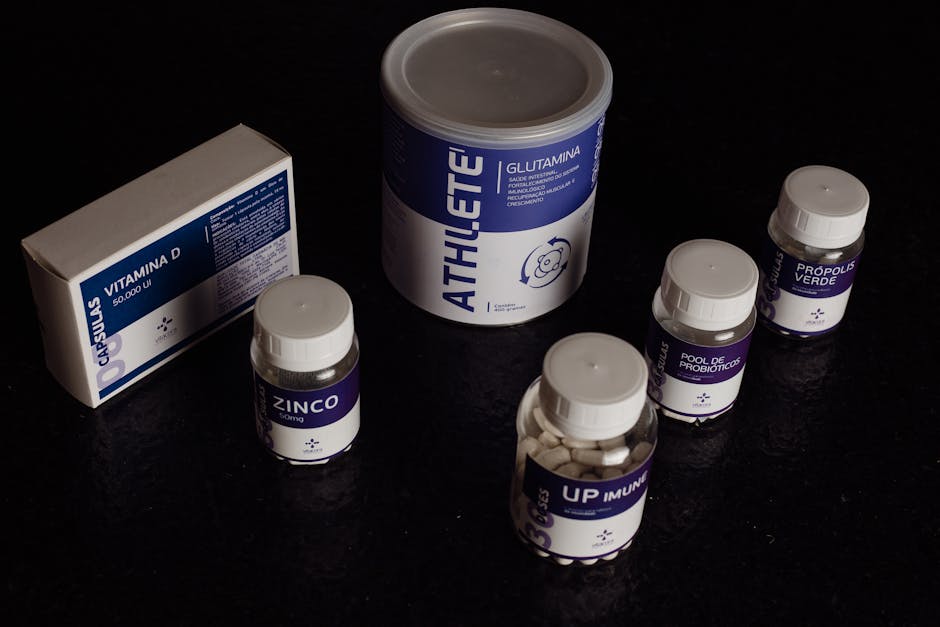
For supplement brands navigating an increasingly crowded marketplace, product sampling has emerged as one of the most effective strategies for building consumer trust and driving trial. Unlike traditional advertising, sampling allows potential customers to experience your product's quality and benefits firsthand, creating authentic connections that translate into loyal customers and repeat purchases.
This comprehensive guide explores how supplement brands can develop strategic product sampling partnerships that deliver measurable results while maintaining compliance and brand integrity.
Why Product Sampling Works for Supplement Brands
The supplement industry faces unique challenges when it comes to consumer acquisition. Shoppers are increasingly skeptical of marketing claims, and the barrier to trial is high when products require a financial commitment before experiencing any benefits. Product sampling addresses these challenges directly by removing the risk from the purchase decision.
When consumers receive supplement samples in trusted environments—such as their fitness studio, yoga center, or wellness practitioner's office—they benefit from implicit endorsement. The location itself provides context for how and why they might use the product, while the trusted relationship with the venue lends credibility to the brand.
Research consistently shows that sampling drives higher conversion rates than traditional advertising methods. Consumers who try a product are significantly more likely to purchase it later, particularly when that trial occurs in a relevant context that demonstrates the product's application in their daily routine.
Identifying the Right Sampling Partnership Venues
Not all sampling locations deliver equal results for supplement brands. The most effective partnerships align with venues where your target customers already spend time and where product usage makes logical sense.
Fitness and Performance Venues
Gyms, CrossFit boxes, boutique fitness studios, and sports training facilities represent prime sampling opportunities for protein powders, pre-workout formulas, amino acids, and performance-oriented supplements. Members of these facilities are actively engaged in fitness goals and receptive to products that support their training.
When exploring opportunities within the fitness industry, consider the specific demographics and training styles of each venue. A yoga studio attracts different consumers than a powerlifting gym, and your sampling strategy should reflect those differences.
Wellness and Lifestyle Centers
Wellness centers, meditation studios, holistic health practices, and lifestyle venues attract consumers interested in comprehensive approaches to health. These locations work well for supplements focused on stress management, sleep support, immune health, and general wellness.
The wellness industry encompasses diverse venues with varying philosophies and client bases. Understanding each venue's approach to health and wellness ensures your sampling efforts reach receptive audiences.
Healthcare and Professional Settings
Chiropractors, physical therapists, nutritionists, and integrative medicine practices offer sampling opportunities for condition-specific supplements and professional-grade formulations. These partnerships require additional considerations around professional suitability and compliance.
It's important to note that healthcare sampling requires professional suitability review and local compliance checks. Brands should never imply medical approval or guaranteed endorsements when sampling through healthcare venues. Each practitioner maintains independent professional judgment about products they choose to make available to patients.
Specialty Retail and Lifestyle Venues
Natural food stores, juice bars, healthy cafes, and lifestyle boutiques provide sampling opportunities that reach health-conscious consumers during relevant purchase occasions. These venues work particularly well for supplements designed to integrate into daily nutrition routines.
Structuring Effective Sampling Partnerships
Successful sampling partnerships require clear structure and mutual value exchange. Brands should approach partnerships as collaborative relationships rather than transactional arrangements.
Defining Partnership Terms
Clear partnership agreements should outline sample quantities, distribution periods, venue responsibilities, and brand expectations. Consider whether venues will actively recommend products, simply make them available, or integrate them into specific programs or services.
Many successful partnerships include venue incentives such as revenue sharing on resulting sales, exclusive product access, or co-marketing opportunities. The specific structure depends on venue type, audience size, and the level of active promotion involved.
Sample Format and Presentation
Supplement samples must balance providing enough product for meaningful trial while remaining cost-effective for distribution at scale. Single-serve packets work well for powders and drink mixes, while blister packs or small bottles suit capsules and tablets.
Packaging should clearly communicate product benefits, usage instructions, and purchase information. Include QR codes or unique URLs that allow you to track conversion from specific venue partnerships. Professional, attractive packaging reflects brand quality and increases the likelihood that consumers will actually try the product.
Educational Support Materials
Provide venue partners with educational materials that help them understand your product and communicate benefits to their clients. This might include ingredient information, usage suggestions, scientific backing, and answers to common questions.
Staff training can significantly improve sampling effectiveness. When venue employees understand and believe in your product, they're more likely to recommend it enthusiastically and answer customer questions confidently.
Compliance and Regulatory Considerations
Supplement brands must navigate complex regulatory requirements when conducting product sampling. The FDA regulates dietary supplements differently than conventional foods or drugs, and brands bear responsibility for ensuring their sampling programs comply with all applicable regulations.
All product claims must be substantiated and compliant with FDA guidelines. Samples must include required labeling information, including supplement facts panels, ingredient lists, and appropriate disclaimers. Structure/function claims must include the required disclaimer that the product is not intended to diagnose, treat, cure, or prevent any disease.
When sampling through healthcare venues, additional considerations apply. Healthcare professionals maintain independent judgment about products they recommend or make available to patients. Brands should never imply that healthcare venue partnerships constitute medical endorsement or guarantee professional recommendations.
State and local regulations may impose additional requirements on supplement sampling. Some jurisdictions require specific permits or restrict sampling in certain venue types. Brands should research applicable regulations in each market before launching sampling programs.
Measuring Sampling Program Success
Effective measurement allows brands to optimize sampling investments and demonstrate return on investment. Consider tracking both immediate conversion metrics and longer-term brand impact.
Immediate metrics include sample distribution volume, redemption rates for coupons or discount codes included with samples, and direct purchases attributable to sampling programs. Unique promo codes for each venue partnership allow you to compare effectiveness across different venue types and locations.
Longer-term metrics include brand awareness changes in sampled markets, customer acquisition costs compared to other marketing channels, and lifetime value of customers acquired through sampling versus other channels. Many brands find that sampling attracts higher-quality customers who make repeat purchases and demonstrate greater loyalty.
Gather feedback from venue partners about customer response to samples. Their frontline perspective provides valuable insights about messaging effectiveness, format preferences, and opportunities for improvement.
Scaling Your Sampling Program
Once you've validated sampling effectiveness with initial partnerships, scaling requires systematic processes and potentially technology support. Product sampling networks like GetStudios connect brands with verified venues across multiple categories, streamlining the process of identifying partners, distributing products, and measuring results.
These networks handle venue vetting, relationship management, and compliance verification, allowing brands to focus on product development and overall strategy. They also provide centralized reporting that aggregates results across numerous venue partnerships.
When scaling, maintain quality control over how your brand is represented. Even as you expand to more venues, ensure each partnership receives adequate support and aligns with your brand values and positioning.
Building Long-Term Venue Relationships
The most valuable sampling partnerships extend beyond one-time product distribution to ongoing relationships that benefit both brand and venue. Consider how you can provide continuing value to venue partners through exclusive products, co-marketing opportunities, or revenue sharing arrangements.
Regular communication keeps your brand top-of-mind and allows you to gather ongoing feedback about customer response and market trends. Share success stories and customer testimonials that demonstrate the partnership's impact.
Some brands develop tiered partnership programs that reward high-performing venues with enhanced benefits, creating incentives for active promotion and deeper collaboration.
Frequently Asked Questions
How much product should I budget for a sampling program?
Budget requirements vary based on venue type, sample format, and program scope. Most brands find that sampling costs between $2-8 per sample when including product, packaging, and distribution. Start with pilot programs at 10-20 venues to establish baseline conversion rates before scaling. Calculate your acceptable customer acquisition cost and work backwards to determine sustainable sampling volume.
What types of supplements work best for sampling programs?
Products with noticeable effects work particularly well for sampling—pre-workout formulas, protein powders, energy supplements, and products with distinctive flavors or formats. However, even supplements with longer-term benefits can succeed through sampling when paired with education about what to expect and how the product works. The key is matching product type to appropriate venues where the usage context makes sense.
How do I handle healthcare venue partnerships differently?
Healthcare sampling requires professional suitability review and local compliance checks. Never imply medical approval or guaranteed endorsements. Healthcare professionals maintain independent judgment about products they recommend. Provide scientific backing and quality documentation, but recognize that practitioners will conduct their own evaluation. Focus on supporting their ability to make informed decisions rather than expecting automatic endorsement.
Can I sample supplements that make health claims?
All supplement claims must comply with FDA regulations. Structure/function claims are permitted when properly substantiated and accompanied by required disclaimers. Disease claims are not permitted for dietary supplements. Ensure all sampling materials, including packaging and accompanying literature, use only compliant claims. When in doubt, consult with regulatory counsel to review your sampling materials.
How long does it take to see results from sampling programs?
Initial conversion typically occurs within 2-4 weeks of sampling, as consumers try the product and decide whether to purchase. However, full program impact may take 3-6 months to materialize as word-of-mouth develops and repeat purchases occur. Track both immediate conversion and longer-term metrics to understand complete program ROI. Many brands find that sampling delivers sustained benefits well beyond the initial distribution period.
Want this done for you?
We run the entire local-business-seeding engine — you just ship the samples.
Get Started — $499.00/mo