How Fitness Equipment & Apparel Brands Choose Local Sampling Partners That Drive Real Results
November 11, 2026 · 8 min read
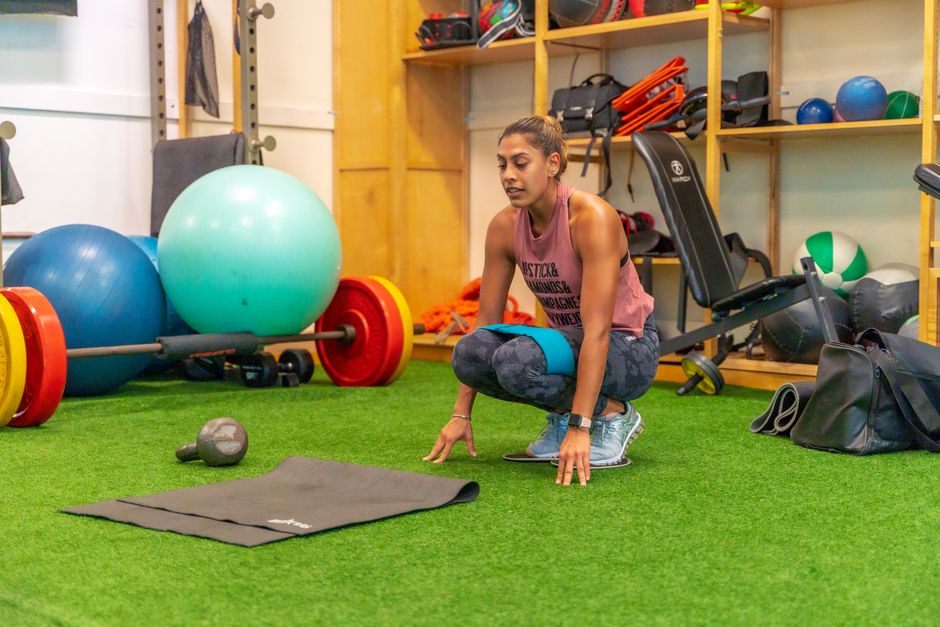
The fitness equipment and apparel market is fiercely competitive, with consumers increasingly seeking authentic brand experiences before making purchase decisions. For brands in this space, product sampling through local fitness partners offers a powerful way to connect with highly engaged audiences at the exact moment they're thinking about their fitness journey.
But not all sampling partnerships deliver equal results. The difference between a successful campaign and wasted inventory often comes down to partner selection. Understanding how to identify, evaluate, and activate the right local fitness venues can transform your sampling strategy from a cost center into a customer acquisition engine.
Why Local Fitness Partners Matter for Equipment and Apparel Brands
Local fitness venues—from boutique studios to CrossFit boxes to traditional gyms—represent concentrated pools of your target demographic. These locations attract consumers who have already demonstrated commitment to fitness through membership investments and regular attendance. Unlike broad retail sampling, fitness venue partnerships deliver your products directly to active consumers in environments where they're evaluating performance, comfort, and quality in real-time.
When members try your resistance bands during a strength class, test your moisture-wicking apparel through a high-intensity workout, or sample your recovery products post-training, they're experiencing your brand in authentic use cases. This contextual relevance creates stronger brand associations and more credible word-of-mouth than traditional advertising or even retail demos.
The Trust Transfer Effect
Fitness facility owners and instructors hold significant influence over their communities. When they endorse or distribute your products, members perceive an implicit recommendation from a trusted authority. This trust transfer can dramatically accelerate the path from trial to purchase, particularly for newer or challenger brands competing against established players.
Key Criteria for Selecting Fitness Sampling Partners
Successful fitness brand sampling requires strategic partner selection based on multiple factors that extend beyond simple foot traffic numbers.
Demographic Alignment
The first consideration is audience match. A premium yoga apparel brand will find better resonance partnering with upscale studios in urban centers than budget gym chains in suburban locations. Similarly, heavy-duty weightlifting equipment brands should prioritize powerlifting gyms and CrossFit affiliates over Pilates studios.
Evaluate potential partners based on their member demographics including age ranges, income levels, fitness goals, and activity preferences. Request demographic data or conduct site visits during peak hours to observe the actual membership base rather than relying solely on marketing materials.
Facility Quality and Brand Alignment
Your brand's positioning should align with the partner venue's quality standards and atmosphere. Premium brands benefit from partnerships with well-maintained, modern facilities that reflect similar values around quality and experience. Performance-focused brands need partners who attract serious athletes who will genuinely test product capabilities.
Consider the facility's cleanliness, equipment condition, staff professionalism, and overall member experience. Your brand will be associated with these qualities, positively or negatively, through the partnership.
Member Engagement and Retention
High member churn rates limit sampling effectiveness. Seek partners with strong retention metrics and active communities. Facilities with robust class schedules, member events, challenges, and social engagement create more opportunities for product trial and repeated brand exposure.
Long-term members who regularly attend classes or training sessions are more valuable sampling recipients than transient users. They're more likely to complete the trial period, provide meaningful feedback, and become brand advocates within their fitness communities.
Staff Enthusiasm and Communication Capability
The facility's staff—trainers, instructors, front desk personnel—serve as your brand ambassadors during sampling campaigns. Their enthusiasm, product knowledge, and communication skills directly impact campaign success. Partners whose staff actively engage with members and can articulate product benefits will drive higher trial rates and more meaningful interactions.
During partner evaluation, assess staff professionalism and communication styles. Facilities with well-trained, engaged teams who already recommend products to members make ideal sampling partners.
Distribution Infrastructure
Practical considerations matter significantly. Can the facility properly store your products? Do they have systems for tracking distribution? Will they commit to displaying point-of-sale materials? Can they collect feedback or measure conversion?
Smaller boutique studios might offer better demographic targeting but lack storage space for bulky equipment samples. Larger facilities might have infrastructure but less personalized member interactions. Balance these practical factors against your campaign goals and product characteristics.
Geographic and Market Considerations
Location strategy impacts sampling campaign effectiveness across multiple dimensions. Urban fitness venues often attract younger, trend-conscious consumers with higher disposable incomes but face intense competition for member attention. Suburban and smaller market facilities might offer less competition and stronger community bonds but potentially lower volume.
Consider market penetration strategy. Are you building awareness in new markets or reinforcing presence in established ones? New market entry might prioritize volume through larger facilities, while established market campaigns could focus on premium boutique partners who enhance brand prestige.
Competitive Landscape Analysis
Understand which competing brands already have relationships with potential partners. Some exclusivity is natural, but facilities heavily committed to competitors may lack enthusiasm for your products. Conversely, facilities seeking to differentiate from competitors using mainstream brands might welcome innovative or challenger products.
Compliance and Partnership Documentation
Professional fitness sampling requires clear agreements protecting both brand and venue. Documentation should specify product quantities, distribution timelines, storage responsibilities, and any exclusivity terms. For apparel brands, address sizing availability and return/exchange processes. Equipment brands should clarify liability, particularly for products used during training.
While fitness sampling doesn't require the same regulatory compliance as healthcare or medical settings, clear partnership terms prevent misunderstandings and ensure consistent brand representation across multiple venues.
Building Long-Term Partnership Value
The most successful fitness sampling programs evolve beyond one-time product drops into ongoing partnerships delivering mutual value. Consider how you can support partner success beyond just providing free products.
Offer exclusive member discounts, sponsor facility events or challenges, provide staff training on product features, or create co-branded content for the facility's social media. These value-adds strengthen relationships and increase partner motivation to actively promote your products rather than passively distribute them.
Performance Measurement and Optimization
Establish clear metrics for evaluating partner performance. Track distribution rates, member feedback, conversion to purchase, and social media engagement. Use unique discount codes or URLs for each partner to measure direct attribution. Gather qualitative feedback through partner check-ins to understand member reactions and identify optimization opportunities.
High-performing partners deserve increased investment through larger sample allocations, extended partnerships, or enhanced support. Underperforming partners require diagnosis—is the issue product-market fit, distribution execution, or fundamental misalignment? Use data to make informed decisions about continuing, adjusting, or ending partnerships.
Specialized Fitness Verticals
Different fitness verticals offer distinct opportunities and challenges for sampling partnerships. Boutique studios (cycling, barre, Pilates) provide highly engaged niche audiences but limited volume. CrossFit and functional fitness facilities attract performance-focused consumers who rigorously test products. Traditional gyms offer volume and diversity but less targeted demographics. Outdoor fitness groups and running clubs provide community-driven word-of-mouth but less controlled distribution environments.
Align your partner selection with product characteristics and brand positioning. Technical performance products need partners whose members will genuinely test capabilities. Lifestyle-oriented fitness apparel might prioritize aesthetically-driven boutique environments where visual appeal matters most.
The GetStudios Advantage for Fitness Brand Sampling
Identifying, vetting, and activating local fitness partners individually is resource-intensive and difficult to scale. GetStudios streamlines this process by connecting fitness equipment and apparel brands with a curated network of trusted local businesses across fitness, wellness, and lifestyle categories. Our platform handles partner suitability assessment, distribution logistics, and performance tracking, allowing brands to focus on product development and broader marketing strategy while we manage the complexity of local partnerships. Explore our industries page to learn more about sampling opportunities across different fitness verticals.
Frequently Asked Questions
How many samples should I allocate per fitness partner?
Sample allocation depends on facility size, membership base, and product type. Boutique studios with 200-500 active members might receive 25-50 samples for apparel or small equipment items. Larger gyms with 1000+ members could justify 100-200+ samples. Start conservatively, measure distribution rates and feedback, then adjust allocations based on partner performance. High-performing partners earn increased allocations in subsequent campaigns.
Should fitness brands offer the same products to all partner types?
Product selection should match partner specialization and member needs. Yoga studios receive yoga-specific apparel and accessories, while CrossFit gyms get performance-oriented products that withstand high-intensity training. Some versatile products (water bottles, gym bags, recovery tools) work across multiple fitness verticals, while specialized equipment or apparel requires targeted placement. Customize your sampling mix to maximize relevance for each partner's specific audience.
How long should fitness sampling campaigns run?
Effective fitness sampling campaigns typically run 4-8 weeks, allowing sufficient time for members to try products multiple times across different workouts and conditions. Shorter campaigns risk insufficient exposure, while longer campaigns may exhaust member interest. Consider seasonal factors—activewear samples perform well in January (resolution season) and pre-summer, while cold-weather gear samples should deploy in fall. Plan campaigns to align with natural fitness cycles and purchasing patterns.
What's the typical conversion rate from fitness sampling to purchase?
Conversion rates vary significantly based on product category, price point, and sampling execution quality. Well-executed fitness sampling campaigns typically achieve 15-30% conversion rates for moderately priced products ($30-$100 range) when supported by clear purchase pathways and incentives. Premium products or higher price points may see lower immediate conversion but stronger long-term brand consideration. Track both immediate conversion and longer-term brand lift through surveys and attribution analysis to capture full campaign value.
How do I prevent sample waste or misuse in fitness facilities?
Partner with facilities that demonstrate professional operations and member respect. Provide clear distribution guidelines specifying that samples are for active members, not staff personal use or resale. Consider requiring member sign-up or email capture for sample distribution, creating accountability and building your marketing database simultaneously. Regular partner communication and spot-checks help ensure compliance. Choose partners who value the relationship and understand that professional execution leads to ongoing opportunities.
Want this done for you?
We run the entire local-business-seeding engine — you just ship the samples.
Get Started — $499.00/mo