Skincare Brands Product Sampling Partnership Guide: Strategic Distribution for Beauty Industry Growth
October 08, 2026 · 8 min read
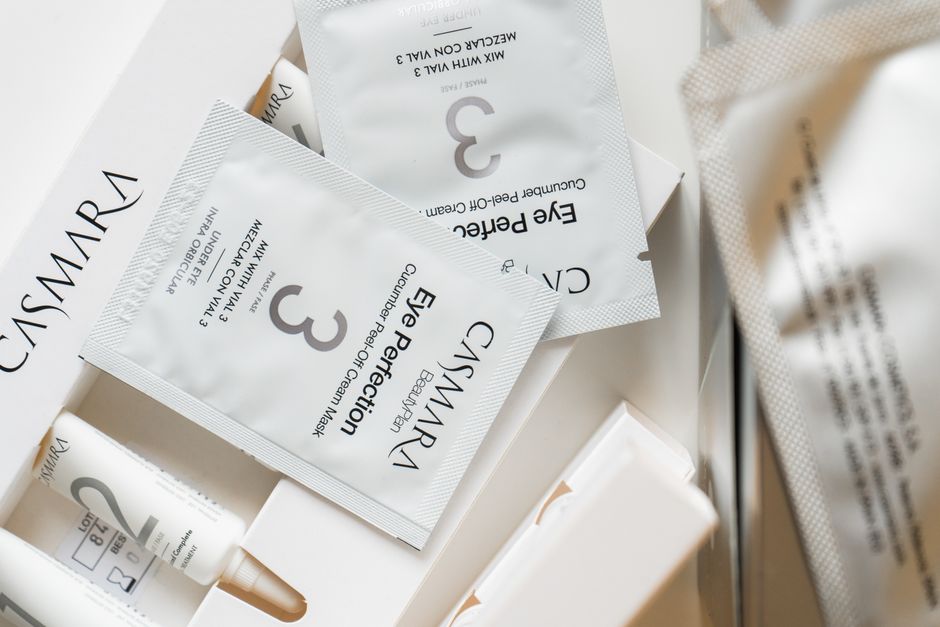
Product sampling has emerged as one of the most effective marketing strategies for skincare brands seeking to build consumer trust and drive trial in an increasingly competitive beauty market. Unlike traditional advertising, strategic sampling partnerships allow skincare brands to place products directly into the hands of potential customers at moments when they're most receptive to discovering new beauty solutions.
For skincare brands, the challenge isn't just distributing samples—it's about finding the right distribution partners who can connect your products with consumers genuinely interested in skincare, wellness, and self-care. This guide explores how skincare brands can build effective sampling partnerships that deliver measurable results and sustainable growth.
Why Product Sampling Works for Skincare Brands
The skincare industry faces unique marketing challenges. Consumers are increasingly skeptical of advertising claims and prefer to experience products firsthand before committing to purchase. Product sampling addresses this hesitation by removing the risk barrier and allowing potential customers to evaluate texture, scent, absorption, and results on their own skin.
Research consistently shows that consumers who sample skincare products are significantly more likely to make a purchase compared to those exposed only to traditional advertising. Sampling creates a tangible experience that builds trust and demonstrates product quality in ways that no advertisement can replicate.
Strategic sampling partnerships amplify these benefits by ensuring your products reach consumers in environments where they're already thinking about self-care, beauty, and wellness. When a consumer receives a premium face serum sample at their yoga studio or a hydrating mask at their favorite salon, the context reinforces your brand's positioning and relevance.
Identifying the Right Sampling Partnership Venues
Not all distribution channels are created equal for skincare brands. The most effective sampling partnerships align your products with venues that attract your target demographic and create natural moments for product discovery.
Fitness and Wellness Studios
Yoga studios, pilates centers, barre studios, and boutique fitness facilities attract health-conscious consumers who typically invest in quality skincare products. These venues provide opportunities to distribute cleansers, moisturizers, and post-workout skincare solutions to consumers focused on holistic wellness. Members of these studios often have disposable income and prioritize self-care routines that extend beyond exercise.
Beauty Salons and Spas
Salons and day spas represent ideal sampling partners for skincare brands. Clients visiting these establishments are already engaged in beauty services and receptive to discovering new products. Professional recommendations from estheticians and stylists carry significant weight, making these partnerships particularly valuable for building credibility. For skincare brands, connecting with businesses in the beauty industry creates authentic touchpoints with engaged consumers.
Medical Spas and Wellness Centers
For clinical or science-backed skincare brands, medical spas and wellness centers offer access to consumers seeking professional-grade solutions. These venues attract clientele willing to invest in premium products with proven efficacy. However, sampling in healthcare-adjacent environments requires careful consideration of professional suitability and local compliance requirements. Brands should work with partners who understand that healthcare sampling requires professional suitability review and local compliance checks, and should never imply medical approval or guaranteed endorsements from healthcare practitioners.
Lifestyle and Retail Venues
Boutique retail stores, lifestyle concept shops, and curated marketplaces provide opportunities to reach style-conscious consumers who discover brands through experiential shopping. These partnerships work particularly well for skincare brands with distinctive packaging or unique brand stories that resonate with trend-forward shoppers.
Building Effective Sampling Partnership Programs
Successful skincare sampling partnerships require more than simply shipping products to venues. Strategic programs incorporate clear objectives, thoughtful execution, and mechanisms for measuring impact.
Define Your Target Consumer
Before approaching potential partners, clearly identify your ideal customer profile. Consider demographics like age range, income level, lifestyle preferences, and skincare concerns your products address. This clarity helps you select venues that naturally attract your target audience and ensures sampling efforts reach consumers most likely to convert.
Create Premium Sample Experiences
Your sample represents your brand's first impression. Invest in packaging that reflects your brand positioning and includes clear usage instructions, ingredient highlights, and information on where to purchase full-size products. Include QR codes or unique URLs that enable tracking and provide pathways for consumers to learn more about your brand story.
Provide Partner Support Materials
Equip venue partners with information they need to effectively represent your brand. This might include product education sheets, talking points about key ingredients or benefits, and display materials that attract attention. When partners understand your products, they become authentic brand advocates rather than passive distribution points.
Establish Clear Partnership Terms
Professional sampling partnerships should outline expectations for both parties. Clarify distribution timelines, sample quantities, any co-marketing opportunities, and how success will be measured. Transparent agreements prevent misunderstandings and create accountability that benefits both brand and venue partner.
Maximizing ROI from Skincare Sampling Partnerships
Strategic skincare brands approach sampling as an investment requiring measurement and optimization rather than simply a marketing expense.
Implement Tracking Mechanisms
Use unique discount codes, custom landing pages, or QR codes specific to each venue partner to track conversion rates and calculate return on investment. This data reveals which partnerships deliver the strongest results and informs future distribution decisions.
Gather Consumer Feedback
Sampling provides valuable opportunities to collect consumer insights. Include brief surveys or feedback mechanisms that help you understand how consumers perceive your products, what benefits they value most, and any concerns or questions they have. This information refines both product development and marketing messaging.
Nurture Sampler Relationships
Consumers who sample your products represent warm leads. Develop follow-up strategies such as email sequences, retargeting campaigns, or exclusive offers for samplers that move them toward purchase. The period immediately following sampling represents your highest-probability conversion window.
Build Long-Term Venue Relationships
The most valuable sampling partnerships extend beyond one-time distributions. Cultivate ongoing relationships with high-performing venues by providing exclusive products, early access to new launches, or co-marketing opportunities. Long-term partnerships create consistent brand presence and build trust through repeated exposure.
Compliance and Quality Considerations
Skincare brands must navigate regulatory requirements and quality standards when distributing samples through third-party venues.
Ensure all samples comply with FDA labeling requirements, including ingredient lists, warnings, and company contact information. Verify that products are stored and distributed in conditions that maintain quality and safety. For brands making specific claims about results or targeting particular skin conditions, be especially mindful that all marketing language is substantiated and compliant.
When partnering with venues in the wellness industry or healthcare-adjacent spaces, remember that professional suitability review and local compliance checks are essential. Never position products as having medical approval or guaranteed professional endorsements unless you have explicit, documented support from licensed practitioners.
Integrating Sampling with Broader Marketing Strategy
Product sampling partnerships deliver maximum value when integrated with your comprehensive marketing approach rather than operating in isolation.
Coordinate sampling campaigns with social media initiatives, influencer partnerships, and content marketing efforts to create multiple touchpoints with target consumers. When consumers encounter your brand through sampling and then see it featured by trusted influencers or in their social feeds, the reinforcement accelerates brand recognition and purchase intent.
Consider seasonal opportunities that align with consumer skincare needs. Summer sampling might emphasize sun protection and hydration products, while winter campaigns could focus on barrier repair and intensive moisturization. Strategic timing ensures your samples address immediate consumer concerns and demonstrate relevant solutions.
Scaling Your Sampling Partnership Program
As you identify successful partnership models, develop systems that enable scaling without sacrificing quality or strategic alignment.
Create standardized partner onboarding processes that efficiently communicate brand values, product information, and program expectations. Develop templated materials that can be customized for different venue types while maintaining brand consistency. Implement technology solutions that streamline sample fulfillment, tracking, and performance analysis.
Networks that connect consumer brands with local venues, like GetStudios, provide infrastructure for scaling sampling programs efficiently. These platforms handle venue relationships, distribution logistics, and performance tracking, allowing skincare brands to focus on product development and overall strategy while accessing established distribution networks across fitness, beauty, wellness, and lifestyle venues.
For brands exploring opportunities across multiple product categories, understanding how sampling works in related industries can provide valuable insights. The approaches used in health and beauty sampling often translate effectively to skincare-specific strategies.
Frequently Asked Questions
How many samples should I distribute to evaluate partnership effectiveness?
Start with a pilot program distributing 500-1,000 samples across 5-10 carefully selected venues that represent your target market. This volume provides sufficient data to measure conversion rates and cost-per-acquisition while limiting financial risk. Successful pilots can then be scaled based on performance metrics and available budget.
What sample size works best for skincare products?
Sample sizes should provide enough product for consumers to evaluate effectiveness over multiple uses—typically 3-7 applications depending on product type. For serums and treatments, 5-10ml samples work well. For moisturizers and cleansers, 10-15ml allows adequate trial. Larger samples increase conversion rates but also increase costs, so test different sizes to find your optimal balance.
How do I measure the success of sampling partnerships?
Track conversion rate (percentage of samplers who purchase), cost per acquisition (total sampling investment divided by new customers acquired), customer lifetime value of samplers versus non-samplers, and return on investment. Use unique tracking codes for each venue partner to identify highest-performing partnerships and optimize future distribution.
Should I charge venues for samples or provide them free?
Most effective sampling partnerships provide products to venues at no cost, as the brand receives the primary benefit of consumer trial and data collection. Some premium venues may request compensation for exclusive distribution rights or prominent placement, which can be worthwhile if the venue delivers exceptional access to your target demographic.
How long does it take to see results from sampling partnerships?
Initial conversion data typically emerges within 2-4 weeks of distribution as consumers use samples and make purchase decisions. However, comprehensive program evaluation should span 8-12 weeks to capture delayed conversions, repeat purchases, and word-of-mouth effects. Skincare products often require multiple uses before consumers can evaluate effectiveness, so allow adequate time for trial before assessing performance.
Want this done for you?
We run the entire local-business-seeding engine — you just ship the samples.
Get Started — $499.00/mo