Personal Care Brands Product Sampling Partnership Guide for the Trade
October 24, 2026 · 9 min read
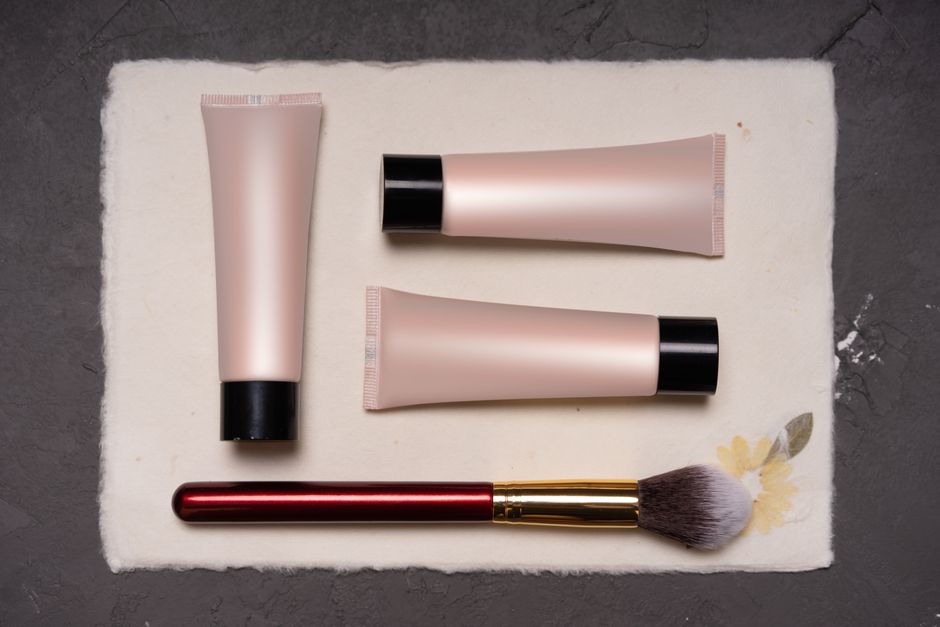
For personal care brands, the path to consumer adoption often hinges on that crucial first trial. Unlike purchases made purely on brand recognition, personal care products—from skincare serums to hair treatments—require consumers to experience texture, scent, efficacy, and compatibility with their unique needs. This experiential barrier makes product sampling not just a marketing tactic, but a fundamental growth strategy for brands seeking to establish market presence and drive conversion.
Strategic sampling partnerships with local businesses offer personal care brands a powerful alternative to traditional retail or direct-to-consumer sampling. By placing products in environments where consumers are already invested in self-care and wellness, brands can achieve higher engagement rates, better-qualified leads, and more meaningful brand discovery moments.
Why Traditional Sampling Falls Short for Personal Care Brands
Traditional sampling methods—mall intercepts, direct mail, or generic online giveaways—often struggle to deliver meaningful results for personal care brands. These approaches typically suffer from low engagement rates, minimal brand storytelling opportunities, and poor targeting that wastes valuable product inventory on consumers unlikely to convert.
The personal care category presents unique challenges. Consumers need context to understand product benefits, time to experience results, and often seek trusted recommendations before committing to full-size purchases. A sample handed out at a busy street corner rarely provides the environment necessary for proper product education or creates the emotional connection that drives brand loyalty.
Furthermore, traditional sampling often lacks the feedback loop necessary for brands to understand consumer response, gather insights, and optimize their product positioning. Without structured data collection, brands invest significant resources without clear visibility into sampling ROI.
The Strategic Advantage of Local Business Partnerships
Partnering with local businesses in fitness, beauty, wellness, and lifestyle sectors transforms product sampling from a volume game into a precision strategy. These partnerships offer personal care brands several distinct advantages that directly address the limitations of traditional sampling approaches.
First, local business partnerships provide built-in audience targeting. A boutique fitness studio attracts health-conscious consumers likely interested in clean beauty products. A yoga studio's clientele may align perfectly with natural skincare brands. A salon's customers are already investing in hair care. This natural alignment eliminates wasted distribution and ensures samples reach consumers predisposed to interest in your category.
Second, these partnerships leverage the trust and credibility that local businesses have established with their communities. When a trusted fitness instructor or salon owner introduces a product, that endorsement carries significantly more weight than anonymous distribution. This trust transfer accelerates the consideration phase and increases trial-to-purchase conversion rates.
Third, local business environments allow for contextual sampling. A gym member receiving a travel-size body wash in their welcome bag experiences the product in direct connection with their workout routine. A spa client trying a new facial serum during their appointment can immediately assess texture and absorption. This contextual relevance enhances product understanding and creates natural usage occasions.
Identifying the Right Partnership Opportunities
Not all local business partnerships deliver equal value for personal care brands. Strategic partner selection requires careful consideration of audience alignment, operational compatibility, and mutual value creation.
For skincare brands, partnerships with beauty salons, spas, dermatology offices, med spas, and wellness centers offer direct access to consumers actively seeking solutions for skin concerns. These environments provide opportunities for professional recommendations and extended product education. Fitness studios and gyms also represent valuable partners, particularly for brands focused on active lifestyle consumers or products addressing post-workout skincare needs.
Hair care brands naturally align with salons, barbershops, and blow-dry bars where consumers are already investing in hair health and styling. These partnerships can include professional application during services, allowing clients to experience products under optimal conditions with expert guidance.
Body care and bath products find receptive audiences through yoga studios, pilates centers, boutique fitness facilities, and wellness retreats where self-care and relaxation are central themes. These environments attract consumers who view personal care as part of a holistic wellness lifestyle rather than purely functional necessity.
Men's grooming brands can target barbershops, men's fitness facilities, sports clubs, and lifestyle spaces that cater specifically to male consumers. These partnerships help overcome the traditional retail challenges men's personal care brands face in reaching their target demographic.
Evaluating Partner Quality Beyond Reach
While partner reach matters, quality indicators often prove more predictive of sampling success. Look for businesses with strong community engagement, active social media presence, and demonstrated customer loyalty. A smaller studio with deeply engaged members often delivers better results than a large facility with high churn and minimal community connection.
Assess operational professionalism and brand alignment. Partners should maintain clean, well-organized spaces that reflect positively on your brand. Their values and positioning should complement rather than conflict with your brand identity. A luxury skincare brand may find better alignment with premium boutique studios than budget fitness chains, regardless of member counts.
Consider partner enthusiasm and capacity for collaboration. The most successful sampling partnerships involve businesses genuinely excited about introducing new products to their communities. Partners willing to provide feedback, share customer responses, and participate in co-marketing efforts multiply the value of the relationship beyond simple distribution.
Structuring Effective Sampling Programs
Successful personal care sampling programs through local business partnerships require thoughtful structure that balances brand objectives with partner needs and consumer experience.
Sample sizing decisions significantly impact program economics and consumer perception. Travel sizes (typically 0.5-2 oz for liquids) provide enough product for meaningful trial while managing costs. For premium products, smaller sachets or single-use packets may suffice to demonstrate quality and encourage purchase. Consider that consumers need sufficient product to assess efficacy—one application of skincare rarely reveals results, while one use of shampoo can demonstrate immediate benefits like lather quality and scent.
Packaging should reflect brand quality while remaining cost-effective at scale. Include clear product information, usage instructions, and a compelling call-to-action that drives consumers to purchase channels. QR codes linking to exclusive offers or educational content help track engagement and facilitate conversion measurement.
Distribution timing and methods should align with natural customer touchpoints at partner locations. Options include welcome bags for new members, post-service gift bags, monthly member perks, event giveaways, or front-desk displays. Each approach offers different targeting and engagement characteristics that brands should match to campaign objectives.
Compliance and Professional Standards
Personal care sampling requires attention to regulatory compliance, particularly when products make specific claims or contain active ingredients. All sampling must comply with FDA regulations for cosmetics and personal care products, including proper labeling with ingredient lists and any required warnings.
While personal care products generally don't require the same level of professional review as healthcare products, brands should ensure samples meet all applicable safety and labeling standards. When partnering with professional environments like salons or spas, consider whether staff training or product education would enhance the sampling experience and ensure appropriate product recommendations.
It's important to note that sampling partnerships do not constitute professional endorsements or medical recommendations. Brands should never imply that placement in professional settings represents expert approval of product claims, particularly for products addressing specific skin conditions or health concerns.
Measuring Sampling ROI and Optimizing Performance
Effective measurement transforms sampling from a cost center into an accountable marketing investment. Establish clear key performance indicators before launching programs, including samples distributed, redemption rates, customer acquisition costs, and lifetime value of acquired customers.
Implement tracking mechanisms that connect sampling to purchase behavior. Unique discount codes, QR code scans, and partner-specific URLs enable attribution of conversions to specific sampling partnerships. Post-sampling surveys gather qualitative feedback about product experience, purchase intent, and brand perception changes.
Compare performance across different partner types, geographic markets, and distribution methods to identify highest-performing approaches. This data-driven optimization allows brands to concentrate resources on partnerships delivering strongest returns while refining or eliminating underperforming programs.
Calculate true sampling ROI by measuring not just immediate conversions but also longer-term metrics including repeat purchase rates, customer lifetime value, and organic word-of-mouth amplification. The most valuable sampling partnerships often generate sustained brand awareness and customer advocacy that extends far beyond initial trial.
Maximizing Partnership Value Through Collaboration
The most successful sampling partnerships evolve beyond transactional distribution into genuine collaborations that create mutual value. Brands can amplify results by providing partners with supporting resources including staff education, co-marketing assets, and exclusive offerings for their communities.
Consider developing partner-exclusive promotions that reward their customers with special pricing or product bundles. This approach strengthens the partner relationship while creating additional motivation for customers to convert from sample to purchase. Social media collaboration, where partners share sampling announcements and customer testimonials, extends reach and builds social proof.
Regular communication with partners yields valuable market intelligence. Partners interact daily with your target consumers and can provide insights about product reception, competitive dynamics, and emerging consumer needs. This feedback loop helps brands refine products, messaging, and market positioning based on real-world consumer response.
Building a Scalable Sampling Network
For personal care brands seeking significant market penetration, building a scalable network of sampling partnerships requires systematic approaches to partner recruitment, onboarding, and relationship management.
Platforms like GetStudios streamline this process by connecting brands with vetted local businesses across relevant categories including fitness, beauty, wellness, and lifestyle. These networks provide infrastructure for program management, distribution tracking, and performance measurement that would be prohibitively complex for brands to build independently.
As sampling networks scale, maintaining program quality and brand consistency becomes paramount. Develop clear partner guidelines, standardized sampling kits, and regular check-ins to ensure consistent execution across locations. Balance standardization with flexibility that allows partners to tailor distribution approaches to their specific customer base and operational context.
Frequently Asked Questions
What sample sizes work best for personal care products?
Optimal sample sizes vary by product category. For skincare products where consumers need to assess efficacy over multiple applications, provide 7-14 day supplies (typically 0.5-1 oz). For hair care and body care products that demonstrate benefits immediately, smaller samples (0.3-0.5 oz) often suffice. Consider your product's price point and trial barriers when determining sample sizing—premium products may justify larger samples to fully demonstrate value.
How do I ensure samples reach my target demographic?
Strategic partner selection is crucial for audience targeting. Choose businesses whose customer demographics align with your ideal consumer profile. Request partner audience data including age ranges, gender distribution, income levels, and lifestyle characteristics. Start with test partnerships in 3-5 locations to validate audience fit before scaling. Track conversion rates by partner type to identify which environments deliver highest-quality prospects.
What's a realistic timeline to see results from sampling partnerships?
Initial sampling distribution typically occurs within 2-4 weeks of partnership activation. Immediate metrics like samples distributed and digital engagement (QR code scans, website visits) appear within the first month. Purchase conversions generally occur within 30-60 days as consumers complete sample trials and decide to buy. Building meaningful brand awareness and word-of-mouth momentum typically requires 3-6 months of consistent sampling presence.
How can I measure which partnerships drive the best ROI?
Implement unique tracking codes or URLs for each partner location to attribute conversions accurately. Use post-purchase surveys asking how customers discovered your brand. Track redemption rates of partner-specific discount codes. Calculate customer acquisition cost by dividing total sampling investment by new customers acquired through each partnership. Monitor lifetime value of customers acquired through different partners to identify which partnerships attract highest-value customers.
Should I provide the same samples to all partner types or customize by location?
Customization by partner type typically improves results. Match product selection to partner audience and context—provide body care products to fitness studios, facial skincare to spas, hair care to salons. However, maintain consistent packaging and brand presentation across partners. Consider seasonal customization (sun protection for summer, intensive moisturizers for winter) while keeping core sampling products consistent to enable performance comparison across partnerships.
Want this done for you?
We run the entire local-business-seeding engine — you just ship the samples.
Get Started — $499.00/mo