How Beauty & Cosmetics Brands Reach Trusted Local Businesses Through Strategic Trade Partnerships
October 01, 2026 · 9 min read
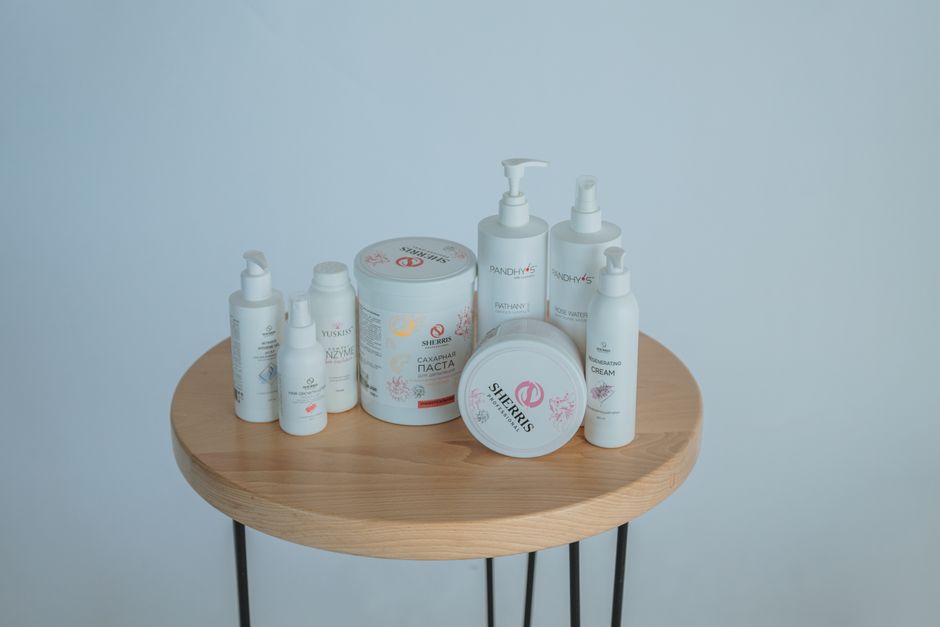
The beauty and cosmetics industry thrives on trust, recommendation, and tangible experience. While digital marketing has transformed how brands reach consumers, there remains an irreplaceable value in physical product discovery through trusted local businesses. Beauty brands are increasingly recognizing that partnerships with salons, spas, wellness centers, and boutique retailers create authentic pathways to their ideal customers.
Strategic trade partnerships between beauty brands and local businesses represent more than simple product placement—they create ecosystems of mutual benefit where businesses can offer enhanced client experiences while brands gain credible endorsements from professionals consumers already trust.
The Value of Local Business Partnerships for Beauty Brands
Local beauty businesses occupy a unique position in consumer decision-making. Hair stylists, estheticians, massage therapists, and wellness professionals maintain ongoing relationships with clients who seek and value their recommendations. When these trusted professionals introduce a new skincare product, cosmetic item, or beauty tool, the endorsement carries significantly more weight than traditional advertising.
Beauty brands that successfully connect with local businesses gain access to highly targeted audiences already interested in beauty, wellness, and self-care. A premium skincare line placed in an upscale spa reaches consumers actively investing in their appearance. A natural cosmetics brand sampling through organic wellness centers connects with consumers whose values align with the product philosophy.
These partnerships also provide brands with valuable real-world feedback. Professional beauty practitioners offer insights into product performance, packaging practicality, and client reactions that cannot be replicated through focus groups alone. This direct feedback loop helps brands refine formulations, adjust positioning, and identify unexpected use cases or benefits.
Types of Local Businesses That Partner With Beauty Brands
The beauty and cosmetics trade encompasses diverse business categories, each offering distinct partnership opportunities:
- Hair Salons: From neighborhood stylists to high-end salons, these businesses serve clients who regularly invest in appearance and are receptive to haircare, styling products, and beauty accessories
- Day Spas and Med Spas: These establishments attract clients seeking relaxation and rejuvenation, making them ideal partners for skincare, aromatherapy, and wellness-oriented beauty products
- Nail Salons: With frequent client visits and extended service times, nail salons provide excellent opportunities for hand care, nail care, and complementary beauty product sampling
- Wellness Centers: Businesses focused on holistic health attract consumers interested in clean beauty, natural cosmetics, and wellness-integrated skincare
- Boutique Retailers: Independent beauty boutiques and specialty shops serve curated clientele seeking unique, high-quality products beyond mass-market offerings
- Fitness Studios: Yoga studios, Pilates centers, and boutique gyms attract health-conscious consumers interested in athletic beauty products, natural skincare, and wellness cosmetics
Understanding which business types align with specific product categories and brand positioning helps beauty companies maximize partnership effectiveness.
How Product Sampling Creates Trade Partnerships
Product sampling serves as the foundation for most beauty brand and local business partnerships. Rather than asking businesses to purchase inventory upfront, brands provide complimentary products for businesses to experience, evaluate, and share with clients. This low-risk approach benefits both parties.
For local businesses, receiving quality beauty products allows them to enhance client experiences without upfront costs. A salon can offer premium hair masks as treatment add-ons, a spa can introduce new skincare lines during facials, or a wellness center can provide samples in client gift bags. These additions elevate service perception and client satisfaction.
For brands, sampling creates authentic product trials in trusted environments. When a professional esthetician applies a new serum during a facial and explains its benefits, the client experiences both the product and a credible endorsement simultaneously. This combination dramatically increases purchase intent compared to traditional advertising.
Successful sampling programs provide businesses with adequate product quantities, professional information about ingredients and benefits, and clear guidelines for client sharing. Brands that support their sampling partners with education and resources see higher engagement and better results.
Building Authentic Relationships in the Beauty Trade
The most successful beauty brand and local business partnerships extend beyond transactional product placement to genuine relationship building. Brands that invest in understanding local business needs, challenges, and client demographics create more meaningful collaborations.
Communication plays a vital role. Brands should clearly articulate product benefits, ideal client profiles, and usage recommendations while remaining open to feedback and questions. Local businesses appreciate brands that respect their professional expertise and seek their input rather than dictating rigid programs.
Flexibility also matters. A neighborhood salon operates differently than a luxury spa, requiring different sampling quantities, product types, and support materials. Beauty brands that customize their approach based on business type, size, and clientele demonstrate respect for their partners and achieve better outcomes.
Long-term thinking strengthens these partnerships. Rather than one-time sampling drops, ongoing relationships allow businesses to become genuine brand advocates. When a salon consistently uses and recommends a haircare line over months or years, those recommendations carry authentic enthusiasm that clients recognize and trust.
The Role of Product Discovery Networks
Connecting beauty brands with appropriate local businesses at scale presents logistical challenges. Brands need efficient ways to identify suitable partners, verify business legitimacy, coordinate product delivery, and track program results. Local businesses need streamlined processes for discovering relevant products without overwhelming administrative burden.
Product discovery networks like GetStudios address these challenges by creating structured platforms connecting beauty and cosmetics brands with verified local businesses across relevant categories. These networks handle partner verification, logistics coordination, and program management, allowing brands to focus on product development and marketing while businesses focus on client service.
Such networks also provide geographic targeting capabilities. A regional skincare brand can connect with businesses in specific markets, while national cosmetics companies can execute coordinated programs across multiple cities simultaneously. This scalability makes professional trade partnerships accessible to beauty brands of all sizes.
Measuring Partnership Success
Effective beauty trade partnerships require clear success metrics. Brands should track both quantitative and qualitative indicators to evaluate program performance and refine strategies.
Quantitative metrics might include the number of businesses engaged, products distributed, client samples shared, and direct sales attributed to partnerships. Many brands also track social media mentions, online reviews referencing professional recommendations, and repeat purchase rates among customers discovered through local business channels.
Qualitative feedback proves equally valuable. Professional testimonials, usage insights, and client reaction reports help brands understand real-world product performance. Some beauty companies conduct periodic surveys or interviews with business partners to gather detailed feedback on formulations, packaging, pricing, and positioning.
Successful brands view these metrics holistically rather than focusing narrowly on immediate sales conversions. Building brand awareness, establishing professional credibility, and creating authentic advocacy require time. Partnerships showing strong engagement, positive feedback, and growing enthusiasm often predict long-term success even before generating substantial direct revenue.
Compliance and Professionalism in Beauty Trade Partnerships
Beauty and cosmetics brands must navigate various regulatory requirements when partnering with local businesses. Product claims must comply with FDA guidelines and industry standards. Sampling programs should include appropriate product information, ingredient disclosures, and usage instructions.
Professional presentation matters significantly in the beauty trade. Businesses expect products to arrive in good condition with professional packaging and clear labeling. Supporting materials should be well-designed, informative, and brand-consistent. These details signal that brands respect their business partners and take the collaboration seriously.
Brands should also consider liability and insurance questions, particularly for skincare and cosmetics products applied directly to clients. Clear communication about product intended use, professional versus retail formulations, and any special handling requirements protects both brands and their business partners.
Future Trends in Beauty Trade Partnerships
The beauty industry continues evolving, and brand-business partnerships evolve accordingly. Clean beauty, sustainable packaging, and ingredient transparency increasingly influence partnership decisions. Local businesses want to align with brands sharing their values and meeting their clients' expectations.
Personalization represents another growing trend. Businesses appreciate brands offering diverse product ranges allowing them to recommend specific items for different client needs, skin types, or preferences. Customizable sampling programs that let businesses select products relevant to their specific clientele generate stronger engagement.
Technology integration also shapes future partnerships. Digital tools for tracking product usage, gathering client feedback, and measuring results help both brands and businesses optimize their collaborations. However, the fundamental value of trusted, personal recommendations from beauty professionals to their clients remains timeless.
Frequently Asked Questions
How do beauty brands identify which local businesses are right for their products?
Beauty brands should consider their target consumer demographics, product positioning, and price points when selecting business partners. Premium skincare lines align well with upscale spas and salons, while natural cosmetics brands may find better fit with wellness centers and holistic health businesses. Product discovery networks like GetStudios help brands connect with pre-verified businesses across relevant categories, streamlining the partner identification process. Geographic considerations, business size, and client volume also factor into partnership suitability.
What makes local business partnerships more effective than traditional retail for beauty brands?
Local business partnerships create trusted endorsement opportunities that traditional retail cannot replicate. When beauty professionals personally recommend products they have used and believe in, consumers perceive these recommendations as credible advice rather than sales pitches. Additionally, many local businesses offer experiential environments where clients can actually try products during services, dramatically increasing the likelihood of purchase compared to products simply sitting on retail shelves. These partnerships also provide valuable professional feedback for product development.
How much product should beauty brands provide to local business partners?
Product quantities depend on business size, client volume, and program objectives. Most successful sampling programs provide enough product for businesses to genuinely evaluate quality and share meaningful samples with multiple clients—typically enough for 20-50 client introductions depending on product type. Smaller trial sizes work well for expensive formulations, while larger quantities suit affordable everyday products. Brands should communicate clearly about intended use and offer additional product to businesses showing strong engagement and positive results.
Do local businesses pay for products in sampling partnerships?
Initial sampling programs typically provide complimentary products to allow businesses to evaluate quality and fit without financial risk. This approach removes barriers to participation and encourages genuine trial. If businesses and their clients respond positively, many partnerships evolve into ongoing relationships where businesses may purchase products at professional discounts for retail sale or continued client sampling. The initial complimentary phase builds trust and demonstrates brand confidence in product quality.
How can beauty brands support their local business partners beyond providing products?
Successful beauty brands support business partners with professional education about ingredients, benefits, and usage recommendations. Providing attractive display materials, client sample cards, and social media content businesses can share adds value. Some brands offer training sessions, either in-person or virtual, helping beauty professionals confidently discuss and recommend products. Responsive communication, openness to feedback, and recognition of successful partnerships also strengthen relationships. Brands that view local businesses as valued collaborators rather than simply distribution channels build the strongest, most productive long-term partnerships.
Want this done for you?
We run the entire local-business-seeding engine — you just ship the samples.
Get Started — $499.00/mo