Choosing Local Sampling Partners as a Supplement Brand: A Strategic Guide
October 28, 2026 · 9 min read
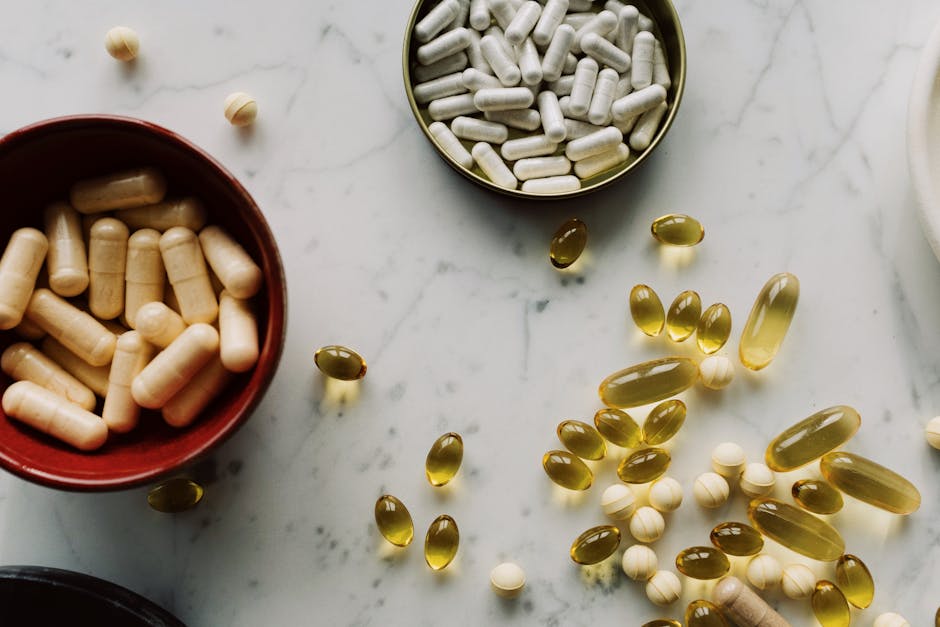
For supplement brands navigating an increasingly crowded marketplace, traditional advertising alone rarely converts skeptical consumers. The supplement industry faces unique challenges: regulatory scrutiny, consumer trust issues, and the need to educate potential customers about product benefits. This is where strategic local sampling partnerships become invaluable, creating authentic touchpoints that drive trial, build credibility, and establish lasting brand loyalty.
Local sampling through trusted venues allows supplement brands to reach health-conscious consumers at the exact moment they're focused on wellness. Unlike mass-market approaches, partnering with gyms, yoga studios, wellness centers, and healthcare practices positions your products within environments where credibility is already established and consumers are actively seeking solutions.
Understanding the Local Sampling Landscape for Supplements
The supplement sampling ecosystem encompasses diverse venue types, each offering unique advantages. Fitness studios and gyms provide access to performance-focused consumers actively working toward health goals. Wellness centers and integrative health practices attract customers interested in holistic solutions. Physical therapy clinics reach individuals recovering from injuries who may need targeted nutritional support. Beauty salons and spas connect with consumers focused on beauty-from-within approaches.
Each venue type attracts distinct demographics with specific needs. A CrossFit gym member seeking pre-workout energy differs significantly from a yoga studio client interested in stress-management supplements or a medical spa visitor exploring collagen products. Understanding these nuances is crucial for matching your products with appropriate partners.
The most successful sampling programs recognize that venue selection isn't just about foot traffic—it's about contextual relevance. A protein powder naturally fits within gym environments, while adaptogenic blends resonate better in meditation studios or wellness centers. This alignment creates authentic discovery moments rather than forced product placements.
Evaluating Potential Sampling Partners
When identifying potential local partners, begin with venue alignment. Does the business's core mission complement your brand values? A sustainable supplement brand gains more credibility partnering with eco-conscious yoga studios than conventional big-box gyms. Similarly, premium supplement lines achieve better results in boutique fitness concepts rather than budget facilities.
Assess the venue's existing customer base. Request demographic information about member age ranges, income levels, and wellness priorities. Many established venues can provide general insights without violating privacy. Understanding whether a gym primarily serves college students, young professionals, or active retirees helps determine product-market fit.
Professional reputation matters significantly in the supplement space. Research potential partners thoroughly. Do they maintain proper certifications and licenses? What's their standing in the local community? Online reviews, social media presence, and local business bureau ratings provide valuable insights. A venue with credibility issues can damage your brand by association.
Consider operational stability. New businesses face higher failure rates, and establishing partnerships with venues that may close within months wastes resources. Look for established businesses with consistent operations, loyal customer bases, and professional management systems.
Staff Engagement and Product Knowledge
The venue's staff ultimately represents your brand during sampling. Evaluate whether potential partners have staff capable of intelligently discussing supplements. Fitness trainers, wellness coaches, and healthcare practitioners can provide context and answer questions that enhance sampling effectiveness.
During partnership discussions, assess staff enthusiasm and willingness to learn about your products. The best sampling relationships involve venues genuinely interested in your offerings, not just accepting free products. Staff who personally try and appreciate your supplements become authentic advocates rather than passive distributors.
Inquire about existing supplement knowledge among staff. Venues already educating customers about nutrition, ingredient quality, and wellness strategies provide stronger foundations for sampling programs. Staff comfortable discussing macronutrients, adaptogens, or bioavailability can position your products more effectively than those lacking nutritional literacy.
Compliance and Regulatory Considerations
The supplement industry operates under specific regulatory frameworks that impact sampling programs. While dietary supplements don't require FDA approval before marketing, they must comply with labeling requirements, good manufacturing practices, and truthful advertising standards. Your sampling partners should understand these boundaries.
Never ask partners to make medical claims about your products. Supplements cannot claim to diagnose, treat, cure, or prevent diseases. Ensure venue staff understand the difference between structure-function claims (which describe how ingredients support normal bodily functions) and impermissible disease claims. Providing clear talking points and approved language protects both parties.
When partnering with healthcare-adjacent venues like physical therapy clinics, chiropractic offices, or integrative medicine practices, additional considerations apply. These partnerships require professional suitability review and local compliance checks to ensure sampling activities align with healthcare regulations and professional standards. Never imply that healthcare professional partnerships constitute medical approval or guaranteed endorsements of your products.
Verify that potential partners maintain appropriate business licenses and operate legally within their jurisdictions. Some localities require specific permits for distributing product samples. Compliance responsibility ultimately rests with your brand, so due diligence protects against regulatory complications.
Structuring Effective Partnership Agreements
Clear agreements prevent misunderstandings and establish mutual expectations. Document the sampling period, product quantities, distribution methods, and any promotional support you'll provide. Specify whether the partnership is exclusive within a geographic area or product category.
Define success metrics collaboratively. What constitutes successful sampling—number of samples distributed, customer feedback collected, or direct sales generated? Establishing measurable objectives allows both parties to evaluate program effectiveness and make data-driven adjustments.
Discuss promotional integration. Will the venue feature your products on social media? Can you provide co-branded materials? Are there opportunities for educational workshops or tasting events? Multi-channel integration amplifies sampling impact beyond simple product distribution.
Address inventory management and reporting. How frequently will partners receive product shipments? What information will they provide about sampling activities? Regular communication ensures programs stay on track and surfaces issues early.
Supporting Your Sampling Partners
Successful partnerships require ongoing support beyond initial product delivery. Provide comprehensive product information including ingredient sourcing, manufacturing practices, suggested usage, and target customer profiles. Educational materials empower venue staff to represent your brand accurately.
Consider offering staff training sessions, either in-person or virtual. Interactive education about your brand story, product benefits, and the science behind key ingredients transforms staff from passive distributors into knowledgeable advocates. Training also demonstrates your commitment to the partnership.
Supply marketing materials that venues can easily deploy—shelf talkers, sample cards with QR codes linking to your website, and social media graphics they can share. Make promotion effortless by providing ready-to-use assets rather than expecting partners to create content independently.
Maintain regular communication throughout the sampling period. Check in to answer questions, gather feedback, and address any concerns. Responsive support builds stronger relationships and increases partner satisfaction, leading to more effective sampling and potential long-term collaboration.
Measuring Partnership Success
Implement tracking mechanisms to evaluate sampling effectiveness. Unique discount codes for each venue reveal which partnerships drive conversions. QR codes on sample cards can direct consumers to landing pages tracking traffic sources. Post-sampling surveys gather qualitative feedback about product reception and staff interactions.
Monitor both immediate and long-term metrics. Initial sample distribution numbers matter, but downstream effects like website traffic, social media engagement, and repeat purchases provide fuller pictures of partnership value. Some venues may distribute fewer samples but generate higher-quality leads with better conversion rates.
Gather feedback from venue partners about customer reactions. What questions did consumers ask? Which product attributes generated most interest? Were there common objections or concerns? This intelligence informs product development, messaging refinement, and future sampling strategies.
Compare performance across different venue types and locations. Geographic and demographic patterns emerge that guide expansion strategies. Perhaps urban yoga studios outperform suburban gyms for your adaptogenic line, or physical therapy clinics drive stronger results for your recovery supplements than general fitness centers.
Building Long-Term Sampling Networks
The most valuable local partnerships extend beyond single sampling campaigns. Venues that successfully introduce your products to their communities become ongoing distribution channels and brand advocates. Nurture these relationships by maintaining communication even between active sampling periods.
Consider graduated partnership levels. Initial sampling programs can evolve into consignment arrangements, wholesale relationships, or exclusive partnerships. Venues demonstrating strong results deserve recognition through preferential terms, exclusive product access, or co-marketing opportunities.
Create community among your sampling partners. Private Facebook groups, quarterly newsletters, or annual partner events foster connections and knowledge sharing. Partners learning from each other's successes strengthen the entire network while reinforcing their commitment to your brand.
As your sampling network expands, systematize processes while maintaining relationship quality. Technology platforms like GetStudios streamline partner management, sample distribution tracking, and performance reporting. Efficient systems allow you to scale sampling programs without sacrificing the personal touch that makes local partnerships effective.
For supplement brands, platforms connecting them with relevant venues across fitness, wellness, healthcare, and beauty industries provide structured approaches to local sampling. These networks offer pre-vetted partners, compliance frameworks, and performance tracking that reduce the operational burden of building sampling programs independently.
Frequently Asked Questions
How many samples should I provide to each venue partner?
Sample quantities depend on venue size and foot traffic, but generally provide enough for 2-4 weeks of distribution. A boutique studio with 100 weekly visitors might receive 50-75 samples, while a large gym with 500+ weekly members could receive 200-300 samples. Start conservatively and adjust based on distribution rates and partner feedback.
Should I pay venues to distribute samples, or is free product sufficient?
Most local sampling partnerships involve product exchange rather than cash payments. Venues value offering members novel wellness products, which enhances their service without direct costs. However, venues investing significant staff time in product education or hosting dedicated sampling events may warrant additional compensation. Discuss expectations transparently during partnership formation.
Can I partner with healthcare practitioners like doctors or physical therapists?
Partnerships with healthcare venues require additional diligence. These arrangements need professional suitability review and local compliance checks to ensure sampling activities align with healthcare regulations. Never position such partnerships as medical endorsements or imply healthcare professionals are prescribing or recommending your supplements as medical treatments. Focus on educational sampling that allows practitioners to inform patients about available wellness options.
How do I handle negative feedback from venue sampling programs?
Negative feedback provides valuable product development insights. Thank partners for honest reporting and investigate concerns thoroughly. If issues relate to taste, texture, or packaging, consider reformulation. If problems stem from unrealistic expectations, improve educational materials to set appropriate expectations. Address quality concerns immediately, as they may indicate manufacturing issues requiring broader investigation.
What's the typical timeline for seeing results from local sampling partnerships?
Initial engagement metrics like website traffic and social media follows often appear within days of sampling launch. Direct sales conversions typically emerge within 2-4 weeks as consumers finish samples and decide to purchase. Long-term brand awareness and loyalty effects develop over months. Evaluate partnerships across multiple timeframes rather than expecting immediate sales spikes, as supplement purchasing often involves research and consideration periods.
Want this done for you?
We run the entire local-business-seeding engine — you just ship the samples.
Get Started — $499.00/mo