Choosing Local Sampling Partners as a Haircare Brand: A Strategic Guide for Market Success
November 01, 2026 · 7 min read
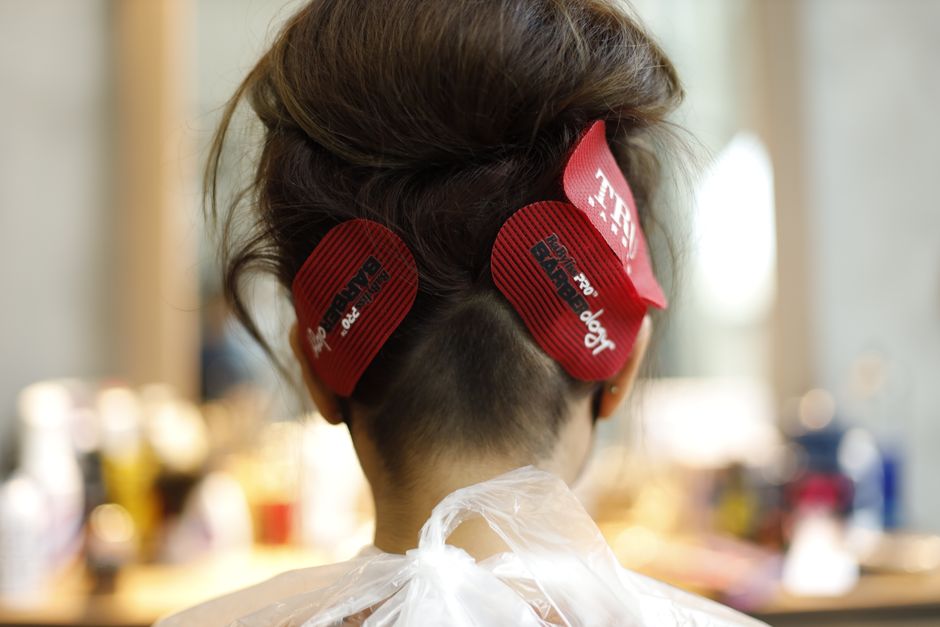
For haircare brands navigating an increasingly competitive market, product sampling remains one of the most powerful tools for driving consumer trial and building brand loyalty. However, the success of your sampling campaign depends heavily on one critical factor: choosing the right local partners to represent your products. The difference between a sampling program that generates buzz and one that falls flat often comes down to partner selection.
Strategic local partnerships allow haircare brands to reach consumers at the moment they're most receptive to trying new products—when they're already engaged with beauty and wellness services. By carefully selecting sampling partners who align with your brand values and target audience, you can transform casual product trials into lasting customer relationships.
Understanding the Haircare Sampling Landscape
The haircare industry presents unique opportunities for product sampling because consumers actively seek professional opinions before committing to new products. Unlike many consumer packaged goods, haircare products are deeply personal purchases influenced by hair type, texture, concerns, and styling preferences. This complexity makes authentic, trusted recommendations invaluable.
Local sampling partners serve as brand ambassadors who can provide personalized guidance and demonstrate product benefits in real-world settings. When executed correctly, these partnerships create a multiplier effect: one satisfied professional can influence dozens or even hundreds of potential customers through their daily interactions and genuine product endorsements.
Identifying the Right Partner Categories
Successful haircare sampling programs typically leverage several categories of local partners, each offering distinct advantages:
Hair Salons and Stylists
Hair salons represent the most direct connection to your target audience. Professional stylists possess the expertise to recommend products based on individual hair needs and can demonstrate proper application techniques. When selecting salon partners, consider factors such as the salon's reputation, clientele demographics, service offerings, and alignment with your brand positioning. High-end salons may be ideal for premium product lines, while family-friendly establishments might better suit value-oriented brands.
Beauty and Wellness Spas
Spas offering hair services alongside other beauty treatments provide access to consumers already invested in self-care and willing to experiment with new products. These environments often foster longer client interactions, allowing for more detailed product education and creating memorable sampling experiences that extend beyond a simple trial.
Fitness and Yoga Studios
Active consumers frequent fitness studios and often shower on-site, creating natural opportunities for haircare product trials. These venues connect brands with health-conscious individuals who value clean ingredients and performance-driven formulations. For brands emphasizing natural ingredients or addressing specific concerns like chlorine damage or sweat management, fitness partnerships can be particularly effective.
Barbershops
For brands targeting male consumers or offering gender-neutral products, barbershops provide authentic access to an often-underserved market segment. These community gathering spaces build strong client relationships based on trust and consistency, making barber recommendations particularly influential.
Essential Criteria for Partner Selection
Choosing the right sampling partners requires evaluating multiple factors beyond simple location and foot traffic:
Brand Alignment and Values
Your sampling partners become extensions of your brand identity. Assess whether potential partners share your values regarding sustainability, inclusivity, customer service, or other core principles. A mismatch between your brand's messaging and a partner's practices can confuse consumers and dilute your brand positioning.
Target Audience Match
Analyze the demographics and psychographics of each potential partner's customer base. Do their clients match your target consumer profile in terms of age, income, lifestyle, and hair care priorities? A luxury anti-aging haircare line will achieve better results partnering with upscale salons serving mature clientele than with budget-friendly quick-cut chains.
Professional Expertise and Engagement
The most effective sampling partners possess genuine enthusiasm for trying new products and the professional knowledge to discuss ingredients, benefits, and proper usage. During partner evaluation, gauge their interest in your brand, their willingness to provide feedback, and their capacity to educate clients about your products.
Operational Considerations
Practical factors matter significantly for program success. Consider each potential partner's client volume, willingness to participate in sampling programs, ability to collect customer feedback, and receptiveness to brand training. Partners who view sampling as a value-add for their clients—rather than an inconvenience—will deliver substantially better results.
Geographic and Market Coverage
Strategic geographic distribution ensures your sampling program reaches diverse markets and consumer segments. Balance between concentrating efforts in high-priority markets and achieving broader coverage. Consider local market characteristics, competitive presence, and regional hair care preferences that might influence product reception.
Building Effective Partner Relationships
Selecting the right partners is only the beginning. Nurturing these relationships ensures sustained program success:
Comprehensive Onboarding and Training
Provide partners with thorough product education covering ingredients, benefits, usage instructions, and your brand story. Equip them with sample sizes, promotional materials, and talking points that enable confident product recommendations. The more knowledgeable partners feel, the more effectively they'll advocate for your products.
Ongoing Communication and Support
Maintain regular contact with sampling partners through check-ins, feedback sessions, and updates about new products or promotions. Create channels for partners to share their experiences, ask questions, and report customer reactions. This dialogue helps you refine your approach and demonstrates that you value their participation.
Incentive Structures
While authentic enthusiasm drives the best recommendations, thoughtful incentives can motivate participation and reward exceptional partners. Consider providing professional-size products for personal use, exclusive access to new launches, co-marketing opportunities, or recognition programs that celebrate top-performing partners.
Performance Tracking and Optimization
Implement systems to monitor sampling program effectiveness across different partners and locations. Track metrics such as samples distributed, customer feedback collected, conversion rates, and partner engagement levels. Use these insights to identify your most successful partnerships and understand what characteristics drive results.
Leveraging Technology for Partner Management
Modern sampling programs benefit from technology platforms that streamline partner management, distribution logistics, and performance tracking. Digital tools can facilitate partner onboarding, automate sample shipments, collect real-time feedback, and provide analytics dashboards that inform strategic decisions. Brands using integrated sampling networks often achieve greater efficiency and better results than those managing partnerships manually.
Compliance and Quality Assurance
Maintaining consistent product representation across all sampling partners protects your brand reputation. Establish clear guidelines for how partners should store, display, and distribute samples. Ensure all promotional claims comply with regulatory requirements and that partners understand any usage restrictions or precautions. Regular quality checks help identify and address issues before they impact consumer perception.
Measuring Success Beyond Immediate Sales
While conversion rates and sales lift provide important metrics, successful haircare sampling programs generate value across multiple dimensions. Consider measuring brand awareness increases, social media engagement, partner satisfaction scores, customer feedback quality, and long-term retention rates. These broader indicators reveal your program's true impact on brand building and market position.
Scaling Your Sampling Program
As you identify successful partner profiles and refine your approach, strategic scaling amplifies your results. Expand gradually, applying lessons learned from initial partnerships to new markets and partner types. Maintain quality standards as you grow, recognizing that diluting partner selection criteria to achieve rapid expansion often undermines program effectiveness.
Frequently Asked Questions
How many local partners should a haircare brand work with initially?
Start with 10-25 carefully selected partners that represent your target market segments and geographic priorities. This manageable number allows you to provide adequate support, gather meaningful feedback, and refine your approach before expanding. Quality of partnerships matters far more than quantity, especially in the early stages.
What makes a local sampling partnership successful for haircare brands?
Successful partnerships combine strong brand-partner alignment, engaged professionals who genuinely appreciate your products, appropriate target audience overlap, and consistent communication. The most effective partners view sampling as enhancing their client experience rather than as a transactional arrangement, creating authentic recommendations that drive trial and loyalty.
How long should haircare sampling campaigns run with local partners?
Effective sampling campaigns typically run for 2-3 months minimum, allowing sufficient time for partners to integrate products into their recommendations, clients to try samples and form opinions, and patterns to emerge in the data. Shorter campaigns may not generate enough interactions to assess effectiveness, while longer initial campaigns risk partner fatigue without optimization.
Should haircare brands compensate local sampling partners?
Compensation structures vary based on program design and partner involvement level. Many successful programs provide value through free professional products, exclusive previews, co-marketing opportunities, and recognition rather than direct payment. The goal is creating mutually beneficial relationships where partners receive genuine value while maintaining authentic product recommendations that consumers trust.
How can haircare brands ensure consistent product representation across multiple partners?
Consistency comes from comprehensive partner training, clear brand guidelines, regular communication, quality assurance checks, and responsive support systems. Provide partners with approved messaging, address questions promptly, and monitor feedback to identify any misunderstandings or inconsistent practices. Technology platforms that centralize partner management significantly improve consistency across distributed sampling networks.
Want this done for you?
We run the entire local-business-seeding engine — you just ship the samples.
Get Started — $499.00/mo