Beverage Brands Product Sampling Partnership Guide: Connecting with Local Businesses
October 13, 2026 · 10 min read
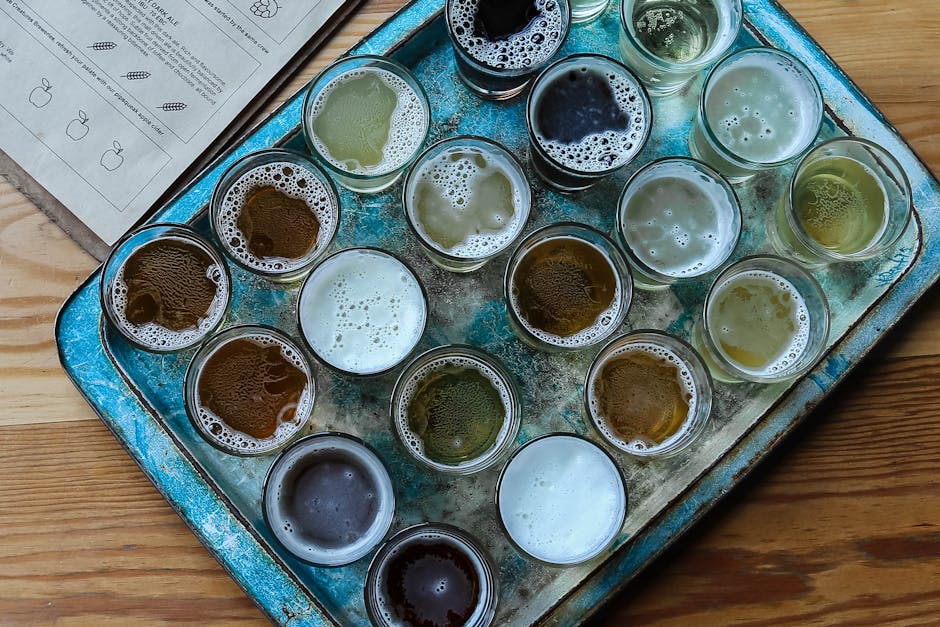
Product sampling remains one of the most powerful marketing tools for beverage brands seeking to break through crowded retail shelves and convert curious consumers into loyal customers. While traditional retail demos and large-scale event activations have their place, forward-thinking beverage brands are discovering the amplified impact of strategic partnerships with local businesses across fitness studios, wellness centers, beauty salons, pet facilities, and lifestyle venues.
This comprehensive guide explores how beverage brands can leverage local business partnerships to create authentic sampling experiences that drive measurable results while building community connections that extend far beyond the initial taste.
Why Local Business Partnerships Matter for Beverage Brands
The beverage industry faces unique challenges: low switching costs, intense competition, and the critical importance of that first taste experience. When consumers try your product in the right context—at the right moment, in the right environment—conversion rates soar.
Local business partnerships deliver several distinct advantages over traditional sampling approaches. Fitness studios, yoga centers, and wellness facilities attract health-conscious consumers actively seeking better beverage options. Beauty salons and spas create relaxed environments where customers have time to enjoy and evaluate your product. Pet stores and veterinary clinics connect you with pet owners looking for both human and pet-friendly beverage options.
These partnerships provide contextual relevance that grocery store demos simply cannot match. A protein shake sampled immediately post-workout carries infinitely more impact than the same sample offered in a parking lot. A calming herbal tea presented during a spa visit creates associations that drive long-term brand recall and purchase intent.
Beyond the immediate sampling moment, local business partnerships offer sustained visibility. Your products remain present in these venues over weeks or months, creating multiple touchpoints with the same consumer base. Staff members become familiar with your brand and can offer authentic recommendations based on their own experience.
Identifying the Right Local Business Partners
Not all local business partnerships deliver equal value for beverage brands. Success requires thoughtful matching between your product characteristics, target demographic, and the business environment.
For functional beverages, energy drinks, and protein-based products, fitness studios, CrossFit boxes, yoga centers, cycling studios, and sports performance facilities offer ideal environments. These venues attract consumers actively seeking products that support their health and fitness goals. The post-workout window creates a natural sampling opportunity when consumers are most receptive to trying new recovery and hydration options.
Premium coffee, tea, and specialty beverages find strong alignment with beauty salons, spas, wellness centers, and boutique retail shops. These environments emphasize quality, self-care, and premium experiences—values that translate directly to beverage purchasing decisions. Consumers in these settings typically have dwell time to truly appreciate your product's flavor profile and quality.
Health-focused beverages, including kombucha, functional waters, and wellness shots, perform exceptionally well in healthcare-adjacent settings such as chiropractic offices, physical therapy clinics, nutrition counseling centers, and integrative medicine practices. However, it's important to note that healthcare sampling requires professional suitability review and local compliance checks. GetStudios never implies medical approval or guaranteed endorsements, and brands must ensure their sampling programs respect healthcare regulations and professional boundaries.
For brands with broad appeal or family-focused positioning, pet stores, veterinary clinics, doggy daycares, and pet grooming facilities offer unique opportunities. Pet owners represent a distinct demographic often willing to invest in premium products for themselves and their animals. These venues create natural conversation opportunities where staff can discuss your beverage with engaged consumers.
Evaluating Partnership Quality
Beyond category alignment, assess potential partners based on customer volume, demographic match, staff engagement levels, and facility professionalism. A smaller boutique fitness studio with highly engaged instructors and loyal members may deliver better results than a large gym with minimal staff interaction. Look for businesses that share your brand values and maintain environments consistent with your positioning.
Structuring Effective Sampling Programs
Successful beverage sampling partnerships require more than simply dropping off cases of product. Strategic program design ensures maximum impact and measurable results.
Start with clear program objectives. Are you building awareness in a new market? Driving trial among a specific demographic? Generating social media content? Supporting a retail launch? Your objectives should directly inform program structure, duration, and success metrics.
Product selection matters significantly. While you may want to sample your entire portfolio, focused programs featuring one or two SKUs typically deliver stronger results. Choose products that align naturally with the venue context. Sample cold-pressed juices at yoga studios, not energy drinks. Offer protein beverages at CrossFit gyms, not herbal teas.
Packaging and presentation impact perception and trial rates. Single-serve formats work best for most sampling programs, but ensure packaging communicates premium quality and includes clear product information. Consider creating venue-specific packaging or labels that acknowledge the partnership, strengthening the connection between your brand and the trusted local business.
Duration and volume require careful calibration. Programs running 4-8 weeks typically provide sufficient time to reach regular customers while maintaining novelty. Calculate sample quantities based on realistic daily distribution estimates rather than total customer volume—not every visitor will participate in sampling.
Activating Local Business Staff
Your sampling success depends heavily on local business staff who interact directly with consumers. These team members can enthusiastically recommend your product, explain key benefits, and create positive associations—or they can let samples sit untouched in a back room.
Invest in staff education before launching your program. Provide clear, concise information about your product's key benefits, ingredients, and ideal consumption occasions. Avoid overwhelming staff with excessive details; focus on three to five compelling talking points they can naturally incorporate into customer conversations.
Ensure staff members can try your product themselves before offering it to customers. Personal experience creates authentic enthusiasm that consumers immediately recognize. Consider providing full-size products for staff to take home, building deeper familiarity and genuine advocacy.
Create simple, low-friction distribution processes. If offering samples requires complex preparation or creates workflow disruptions, participation rates plummet. Pre-portioned samples, easy-access storage, and minimal setup requirements maximize staff cooperation.
Recognize and appreciate staff efforts throughout your program. Simple gestures like thank-you notes, small gifts, or social media shoutouts build goodwill and encourage ongoing engagement. Remember that local business staff are partners in your success, not simply distribution channels.
Measuring Sampling Program Results
Effective measurement transforms sampling from a marketing expense into a strategic investment with demonstrable ROI. Establish clear metrics before launching your program and create systems to track results throughout the partnership period.
Distribution tracking provides the foundation for all other metrics. Monitor how many samples are distributed weekly, identifying patterns and opportunities for optimization. Significant week-to-week variations may indicate staff engagement issues or optimal distribution timing.
Consumer feedback and engagement offer qualitative insights that numbers alone cannot capture. Encourage local business partners to share customer reactions, questions, and comments. This real-time feedback helps refine messaging, identify unexpected use cases, and spot potential product issues before they escalate.
Digital engagement metrics—including social media mentions, website traffic from partner locations, and promotional code usage—connect sampling activities to measurable consumer actions. Provide unique tracking mechanisms for each partner location to assess relative performance and identify high-value relationships.
Retail sales data in proximity to sampling locations offers the ultimate success indicator. Work with retail partners near your sampling venues to track sales velocity before, during, and after your program. Significant sales lifts validate your partnership approach and justify program expansion.
Scaling Your Partnership Strategy
Once you've validated the local business partnership approach with initial pilots, strategic scaling amplifies results while managing resource investment.
Geographic expansion should follow a methodical approach. Rather than scattering sampling programs across multiple markets, concentrate efforts in specific regions to build critical mass. Saturation in targeted neighborhoods creates cumulative awareness that drives retail velocity more effectively than thin distribution across broad geographies.
Partnership networks like GetStudios streamline the scaling process by providing access to pre-vetted local businesses across multiple categories. These networks handle relationship management, logistics coordination, and compliance verification, allowing beverage brands to focus on product and messaging rather than operational complexity.
Successful programs deserve expansion beyond sampling into deeper partnerships. Consider evolving high-performing relationships into ongoing product placement, co-marketing initiatives, or exclusive offerings that benefit both your brand and the local business. These deeper relationships create sustainable competitive advantages that pure sampling programs cannot match.
Avoiding Common Partnership Pitfalls
Even well-intentioned sampling programs can stumble without attention to common challenges. Product storage and handling issues frequently undermine program effectiveness. Ensure partner locations have appropriate refrigeration for cold products and adequate space for inventory storage. Provide clear guidance on product shelf life and handling requirements.
Misaligned expectations create friction and disappointment. Be explicit about what you're providing, what you expect from partners, and realistic outcome projections. Overpromising results or underdelivering support damages relationships and limits future opportunities.
Insufficient follow-up and support leaves partners feeling abandoned. Maintain regular communication throughout your program, addressing questions promptly and showing genuine interest in their experience. Schedule check-ins to assess progress, gather feedback, and make necessary adjustments.
Compliance and regulatory considerations require particular attention in healthcare and wellness settings. Never position your beverage as having medical benefits or therapeutic properties unless you have appropriate regulatory approval. Healthcare sampling requires professional suitability review and local compliance checks to ensure your program respects professional boundaries and regulatory requirements.
Frequently Asked Questions
How much product should I allocate for a local business sampling program?
Sample quantities depend on venue size, customer volume, and program duration. As a general guideline, calculate 10-20% of daily customer traffic as potential sample participants. For a fitness studio with 100 daily visitors running an 8-week program, allocate 1,100-2,200 samples (assuming 5-6 days per week). Start conservatively and adjust based on distribution rates. Over-supplying creates waste, while under-supplying frustrates partners and consumers.
What's the typical cost structure for local business sampling partnerships?
Partnership costs vary significantly based on venue type, location, and program scope. Some local businesses accept product-only arrangements, particularly when sampling aligns with their customer experience goals. Others require venue fees ranging from a few hundred to several thousand dollars for premium locations. Networks like GetStudios often provide access to multiple venues through a single program fee, offering better value than negotiating individual partnerships. Factor in product costs, shipping, marketing materials, and staff time when calculating total program investment.
How do I track which samples convert to actual purchases?
Implement multiple tracking mechanisms for comprehensive conversion measurement. Provide unique promotional codes or QR codes specific to each partner location, enabling direct attribution of online purchases. Monitor retail sales data in proximity to sampling locations, comparing sales velocity before, during, and after your program. Conduct post-program surveys asking where consumers first tried your product. Combine these data sources to develop a complete picture of sampling impact on purchase behavior. Some brands also use geofencing technology to track store visits following sampling events.
Can I sample beverages containing alcohol through local business partnerships?
Alcoholic beverage sampling faces significant regulatory restrictions that vary by state and local jurisdiction. Most fitness, wellness, and healthcare venues prohibit alcohol sampling regardless of legal permissibility. Some lifestyle venues, retail shops, and event spaces may accommodate alcoholic beverage sampling with appropriate licensing and compliance measures. Always consult legal counsel familiar with alcohol regulations in your target markets before planning sampling programs. Even where legally permitted, ensure venue alignment with your brand positioning and target demographic.
How long should I run a sampling program at a single location before evaluating results?
Minimum program duration should be 4-6 weeks to reach a representative sample of regular customers and allow time for word-of-mouth effects to develop. Many venues have customers who visit weekly or bi-weekly, requiring extended programs to achieve meaningful reach. Programs shorter than four weeks often fail to capture true performance potential. However, programs extending beyond 12 weeks may experience diminishing returns as novelty wears off and you've reached most regular customers. For optimal results, plan 6-8 week programs with clear evaluation points at the midpoint and conclusion.
Want this done for you?
We run the entire local-business-seeding engine — you just ship the samples.
Get Started — $499.00/mo